Changing Expectations in Baby Sunscreens
As we all know, baby skin is far more vulnerable to UV rays, making ingredient safety in sunscreens even more critical. Recent preferences include:
- Physical filters (zinc oxide, titanium dioxide) are favored over chemical filters
- Fragrance-free, non-nano particle formulations align with infant skin sensitivity
- Water resistance has become a competitive factor in summer products
78% of consumers say they specifically look for “formulated for babies” labeling when purchasing sunscreen (Source: Euromonitor.com).
What Should Buyers Prioritize When Choosing Suppliers?
For professional buyers—whether store owners, supermarket chain managers, or e-commerce sellers—quality alone isn’t enough. Transparency in manufacturing and flexible options have become key. Especially in private label sourcing, attention should be given to:
- Certified manufacturing: ISO, GMP compliance, dermatological test reports
- Transparent ingredients: Easily audited and clearly listed compositions
- Flexible production: Low MOQs for testing new markets
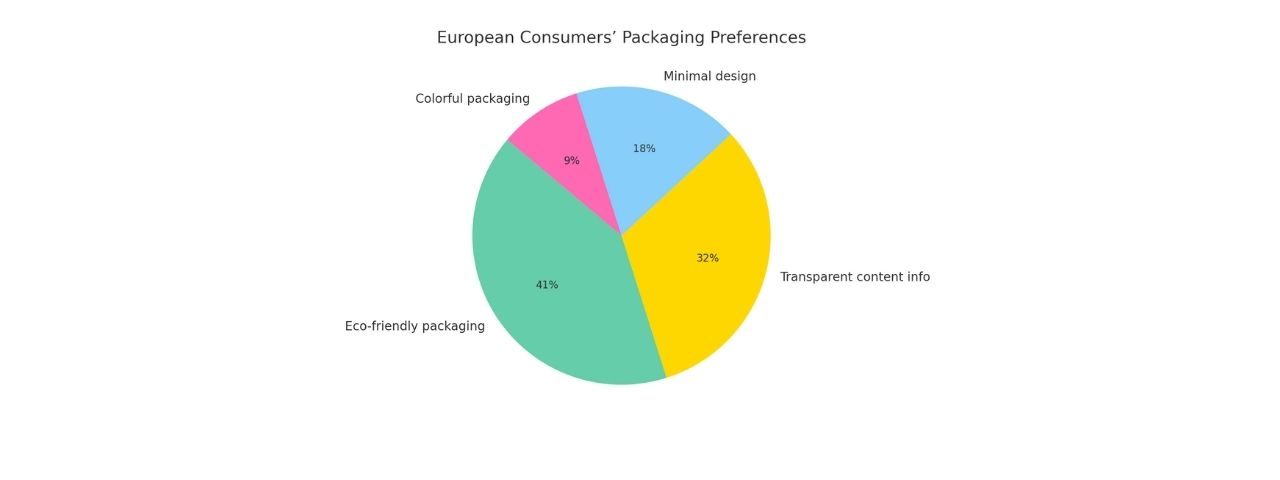
- Packaging aesthetics: Minimalist, trust-inspiring, and visually competitive on shelves
Moreover, buyers must now ensure suppliers provide e-commerce-friendly content like detailed product descriptions, certifications, and clinical test visuals to improve digital visibility.
Final Thought: It’s Not Just About Production—It’s About Trust
In baby care, success today is not only measured by manufacturing quality but also by the ability to build consumer trust. Packaging, ingredients, and certifications together create a story—one that convinces at first glance and reassures post-purchase. For buyers in this industry, the future belongs to those who understand that trust is the most valuable currency on the shelf.